
Everything You Need to Know About Hosting a Corporate Dinner Party

Corporate dinner parties are more than a shared meal, they’re an opportunity to build relationships, celebrate success, and move your organization’s mission forward. When executed thoughtfully, they set the tone for collaboration, reinforce company culture, and create lasting impressions with clients and colleagues.
As corporate event planners, we know firsthand that a stellar dinner experience is never accidental. It’s curated, intentional, and built on strategic decisions that elevate every guest touchpoint. Whether you’re hosting an intimate leadership dinner or a 300-person gala-style experience, these corporate dinner party tips will help you plan a polished, memorable event.
1. Define the purpose before anything else
Before selecting a venue or tasting a menu, clarify why you’re hosting the dinner. Is it a client appreciation evening? A celebration of annual achievements? A networking opportunity? The purpose influences everything, from seating arrangements to programming to décor and beyond.
It can be a good idea to write a clear event objective and share it with all internal stakeholders so that everyone is on the same page from the start. Alignment early on prevents scope creep and ensures the final experience supports your goals.

2. Choose a venue that reflects your brand
As with any event, the venue you choose to host your corporate dinner party will set the tone for the entire event. Look for locations that match your organization’s aesthetic and values while accommodating your desired format.
For more formal events, consider historic spaces, boutique hotels, or private dining rooms.
For modern or more fun, informal brands, lofts or architecturally unique venues build atmosphere instantly.
For client-focused dinners, quiet, elegant spaces ensure conversation thrives.
If you’re working with a professional event planner, they’ll be able to help you find the perfect spot, but if you’re planning your event without the help of professionals, you can find the best venues around town by using search keywords like corporate dinner venues in [city] or best private dining rooms for business events to narrow your list.
3. Curate a menu that works for every guest
A well-planned menu is a hallmark of excellent hospitality (and can help make your event especially memorable). Work with your caterer or the chef at your venue to design a balanced, thoughtful selection. This is another place where a professional event planner can help, ensuring you don’t overlook a single detail.
Offer vegetarian and gluten-free options without requiring guests to make a special request.
Incorporate local or seasonal ingredients to add a sense of time and place.
Avoid meals that are messy or difficult to eat while chatting with one another.
Make sure to always ask about dietary restrictions in advance and share them with the culinary team early so that everyone can prepare and no one is caught off guard.
4. Use strategic seating to encourage connection
Seating can be underrated when it comes to a corporate dinner, but it can dramatically affect engagement. Here are some guidelines to follow when determining seating set-ups and arrangements for your upcoming event:
For networking dinners, mix departments, seniority levels, or organizations.
For client dinners, seat internal team members strategically to facilitate conversation.
For leadership events, use round tables to promote inclusivity and connection.
A well-designed seating plan supports your overall event purpose and helps conversations flow more naturally, instead of feeling forced.
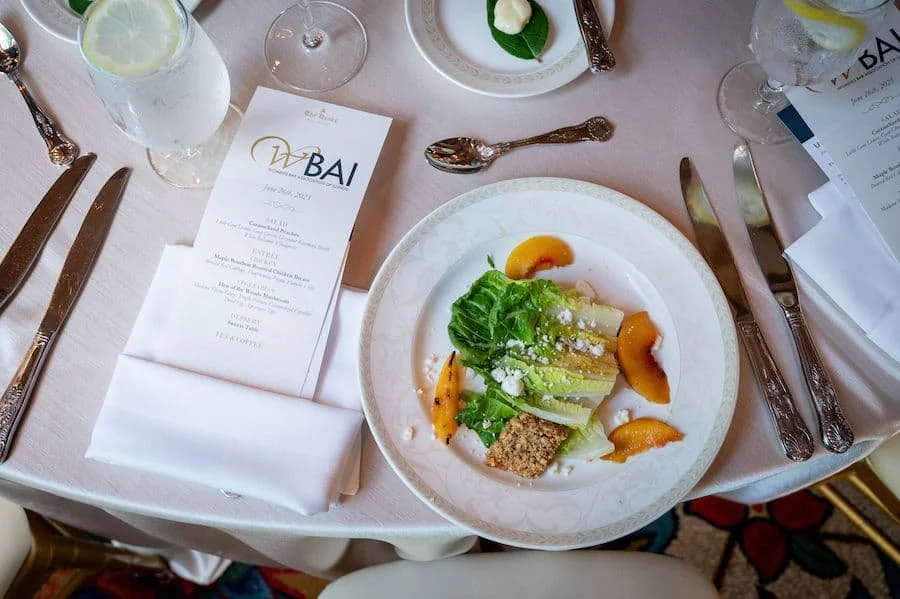
5. Lighting, décor, and ambience matter more than you think
Corporate dinners don’t need to feel overly “corporate.” Thoughtful visual elements can make the environment warm, inviting, and memorable.
Use low, warm lighting for a relaxed and elevated atmosphere. Add simple, modern floral arrangements or candles to create dimension and add some more visual interest. Finally, keep décor aligned with your brand, but avoid anything overly thematic for professional settings (unless that’s specifically the look and feel of the event).
Looking for inspiration? Searches like corporate dinner décor ideas or event ambience tips for professionals can help you find ideas that you may not have otherwise thought of on your own. Incorporate these kinds of searches in your planning process to make things go a bit more smoothly and take the pressure off of your shoulders.
6. Streamline the program (if necessary) to keep guests engaged
Have you ever been to an event that included tons of long speeches or complicated presentations that made the event feel more like a meeting than a social event? This kind of programming can deflate energy fast. Keep any formal programming concise, relevant, and well-timed. Here’s how to make it happen:
Limit formal remarks to 5–10 minutes.
If you’re recognizing individuals or celebrating milestones, keep it personal and heartfelt.
Build in breaks for organic conversation. This is often where the real value happens at these kinds of events.
7. Do your best to plan for flawless service
Exceptional service is one of the top indicators of a high-quality corporate dinner, and it’s something that guests remember if it doesn’t meet the mark. Here are some things to consider to help set yourself up for service success:
Ensure staff-to-guest ratios match the format of your event.
Hold a pre-event briefing so servers understand timing, special meals, and VIP needs.
Build extra time into the schedule for transitions (plated dinners always take longer than you think).

8. Anticipate the details that guests will notice
Ensuring you don’t overlook the small, thoughtful, intentional details will communicate professionalism and care to your guests. Things like:
Printed menus at each seat
Thoughtful place cards for seamless seating
A welcome drink on arrival
Branded touches (subtle, not overwhelming)
Efficient coat check and clear signage
These moments shape the guest experience from the very beginning.
9. Always have a contingency plan
Even the most well-planned dinner can encounter challenges like delayed AV, unexpected dietary restrictions or needs, and last-minute RSVPs. For a smooth and seamless event, make sure to have solutions ready so the evening appears effortless to everyone else in attendance.
10. Follow up thoughtfully after the event
Your dinner shouldn’t end when the last guest leaves. Send thank-you notes (personalized and custom if possible), share photos internally, and recap highlights or next steps. This reinforces the purpose of the gathering and helps strengthen relationships.

FAQs
-
For most corporate dinners, begin planning at least 8–12 weeks in advance. Larger events, high-profile dinners, or those requiring travel coordination may need 3–6 months (or more!) of lead time. Early planning ensures you secure top venues and have time to customize the experience. Working with a professional planner can help finalize your timeline and make sure everything goes off without a hitch.
-
When you’re hosting a corporate dinner party, make sure to include a welcome or cocktail period, brief remarks, scheduled meal service, and time for networking or conversation after dinner. Keep any formal programming short and sweet. Guests are there to connect, not sit through long presentations.
-
Select a venue that aligns with your brand identity, guest count, and event purpose. Prioritize locations with strong service reputations, flexible dining layouts, and AV capabilities if you plan to include presentations or speeches.
-
Round tables encourage interaction and collaboration, making them ideal for networking-focused events. Long banquet tables offer a more intimate, communal feel for smaller or more formal dinners. Always use assigned seating when relationship-building is a core goal. If given the chance, people will sit with those they know the best and feel most comfortable with, which might not get you the conversation, engagement, and results that you’re looking for from the event.
-
Focus on high-impact details like lighting, thoughtful décor, a curated menu, and warm, professional hospitality. These elements can elevate the experience more effectively than expensive add-ons. Simple touches like personalized menus or a signature welcome drink can create a memorable moment at minimal cost.
-
Dress codes vary by industry and venue, but business or business-casual attire is usually common. Communicate expectations clearly on the invitation to avoid any confusion, especially if you want guests to deviate from the usual attire.
-
Collect dietary information and allergies during the RSVP process and share it with the culinary team at least one week before the event. Offer vegetarian, gluten-free, and dairy-free options as part of the standard menu so guests feel cared for without needing to make special requests.
-
Evaluate guest feedback, post-event engagement, attendance rates, and how well the dinner achieved its intended purpose (like relationship-building, client retention, or organizational alignment). A short post-event survey can provide valuable information for future planning and events.
A successful corporate dinner party is the product of smart planning, creative vision, and meticulous execution. By approaching the event with intention, aligning every detail with your purpose, and focusing on guest experience, you can host a dinner that feels both meaningful and memorable.